
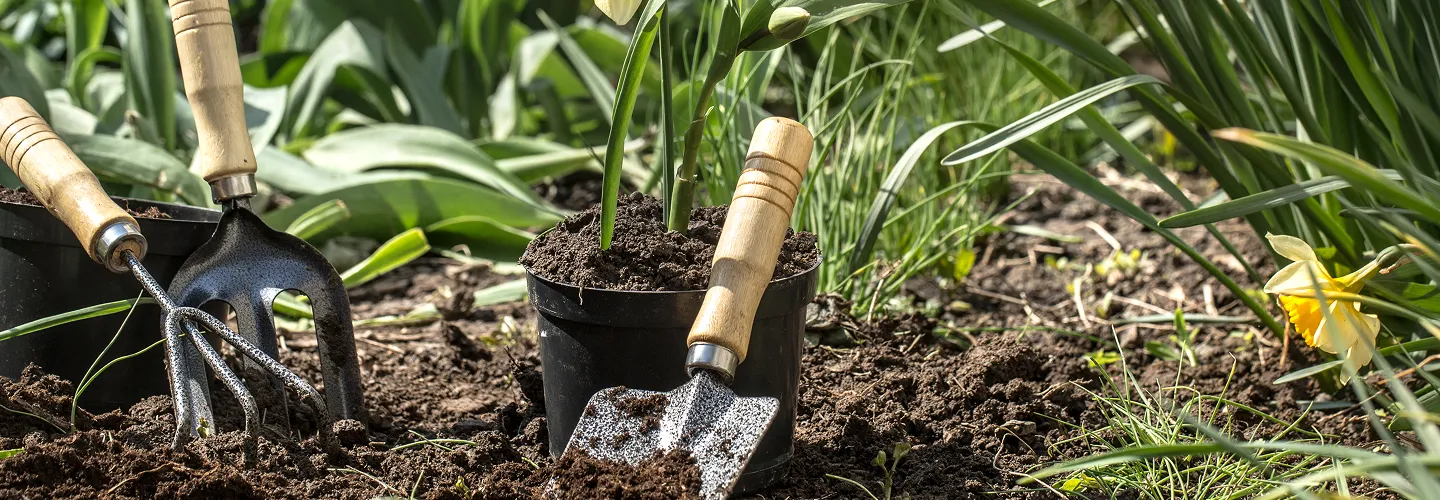
Cheval Flower Planting Services
Choose our Flower Planting services for expert design, premium plants, and vibrant gardens that thrive season after season—bringing lasting color and joy to your home.
Get a Free QuoteOur Cheval Landscaping & Yard Care Services
When to Schedule Flower Planting in Cheval, Florida – Seasonal Guide
Flower planting in Cheval, Florida, is best scheduled with careful attention to our region’s unique climate and landscape. The optimal planting windows typically fall between late winter and early spring, after the last frost date, and again in early fall when temperatures begin to moderate. Cheval’s proximity to Lake Keystone and the shaded neighborhoods around Brooker Creek Preserve create microclimates that can influence soil moisture and sunlight exposure, making it important to tailor planting times to your specific property.
Local environmental factors such as high summer humidity, occasional drought conditions, and sandy soils common in the area all play a role in determining the best time for flower planting. Homeowners in communities like The Estates or along Cheval Boulevard should also consider shade coverage from mature oaks and municipal guidelines for landscaping. For more detailed local planting resources, visit the Sudbury town website.
Local Factors to Consider for Flower Planting in Cheval
- Tree density and shade from mature landscaping
- Soil type and drainage, especially in areas near Brooker Creek
- Average precipitation and risk of drought during summer months
- Frost dates and temperature fluctuations in late winter
- Municipal restrictions or HOA guidelines on planting and irrigation
- Terrain variations, such as slopes or low-lying areas prone to pooling
Benefits of Flower Planting in Cheval
Enhanced Curb Appeal
Increased Property Value
Seasonal Color Variety
Expert Plant Selection
Low-Maintenance Solutions
Eco-Friendly Landscaping
Cheval Flower Planting Types

Perennial Flower Beds
-
Annual Flower Displays
-
Native Wildflower Gardens
-
Seasonal Bulb Plantings
-
Pollinator-Friendly Plantings
-
Shade Garden Flowers
-
Drought-Tolerant Flower Beds
Our Flower Planting Process
Site Evaluation
Soil Preparation
Plant Selection
Careful Planting
Watering and Mulching
Why Choose Cheval Landscape Services
-
Cheval Homeowners Trust Us
-
Expert Lawn Maintenance
-
Reliable Irrigation Solutions
-
Comprehensive Seasonal Cleanups
-
Professional Tree and Shrub Care
-
Prompt and Courteous Service
-
Competitive Pricing
Coordinating Flower Planting with Cheval’s Parks and Recreation Department
Flower planting in Cheval, FL, often involves coordination with the Hillsborough County Parks and Recreation Department, especially for projects in public-facing areas, medians, or community green spaces. Residents and property managers planning installations in these areas should verify whether their project falls within county-maintained land or within a homeowners’ association’s jurisdiction. For public spaces, the department may require notification or review to ensure plantings do not interfere with sightlines, irrigation infrastructure, or scheduled maintenance. Additionally, the department can provide guidance on approved plant palettes and maintenance standards for public beds. For private properties, coordination is generally not required unless the planting impacts public rights-of-way or drainage features. When in doubt, consult the department for clarification on boundaries and procedural steps.
Hillsborough County Parks and Recreation
601 E. Kennedy Blvd., Tampa, FL 33602
Official Website: Hillsborough County Parks and Recreation
How Cheval’s Inland Florida Climate and Soils Shape Flower Planting
Cheval is situated in Central Florida’s inland peninsula, characterized by a humid subtropical climate, high summer temperatures, and a pronounced wet season from June through September. These conditions directly influence flower planting success:
- Soils are typically sandy or fill-based, leading to rapid drainage and potential nutrient leaching, which can affect plant establishment and ongoing health.
- High humidity and frequent rainfall during the wet season can promote fungal diseases in susceptible species, making plant selection and spacing critical.
- The USDA Plant Hardiness Zone for Cheval is 9b, supporting a wide range of subtropical and warm-temperate flowering plants, but occasional winter cold snaps may still damage tender annuals or perennials.
For more on local soils, consult the USDA Web Soil Survey, and for climate-adapted plant choices, refer to the USDA Plant Hardiness Zone Map.
Regulatory Requirements and Environmental Compliance for Flower Planting in Cheval
While most residential flower planting does not require a formal permit, certain regulatory considerations apply, particularly for larger projects or those near drainage features, swales, or public rights-of-way. The Hillsborough County Development Services Department oversees development review and can clarify when a permit or site plan review is necessary, especially for commercial or multi-family properties. Additionally, plantings adjacent to stormwater systems must comply with Florida DEP’s NPDES Stormwater Program, which aims to prevent runoff of soil, mulch, or fertilizers into drains and canals. For projects involving fertilizer or pesticide use, review the Florida-Friendly Fertilizer Ordinance and FDACS Pesticide Applicator Licensing for compliance.
Hillsborough County Development Services
601 E. Kennedy Blvd., Tampa, FL 33602
Official Website: Hillsborough County Development Services
Professional Standards and Timing for Flower Planting in Cheval’s Climate
Successful flower planting in Cheval requires careful attention to timing, site preparation, and ongoing maintenance. Key professional standards include:
- Schedule major plantings for late winter through early spring or early fall, avoiding peak summer heat and heavy rainfall periods when possible.
- Prepare beds by amending sandy soils with organic matter to improve water retention and nutrient availability.
- Select species proven for Zone 9b and tolerant of both high humidity and periodic drought; examples include pentas, salvia, and marigold.
- Install drip irrigation or soaker hoses to minimize water waste and reduce leaf wetness, which can help prevent fungal issues.
- Apply mulch at a depth of 2-3 inches to moderate soil temperature, suppress weeds, and reduce runoff, as recommended by EPA WaterSense Outdoors.
Routine maintenance should include deadheading, periodic replanting, and monitoring for pests or disease, with chemical controls used only as permitted and in accordance with FDACS licensing.
What Neighborhoods Do We Serve Throughout Cheval, FL?
- Cheval West This area features larger lots and mature landscaping, often with established irrigation systems and shade from mature oaks.
- Cheval East Known for its proximity to golf course greenspaces, this neighborhood has a mix of sun and partial shade exposures and HOA-managed common areas.
- The Estates at Cheval Characterized by expansive properties, custom landscaping, and adjacency to lakes or ponds, requiring careful drainage planning for new plantings.
- The Greens This subdivision includes homes with smaller lots and more intensive HOA landscaping standards, often with fill-based soils and newer irrigation infrastructure.
- The Villas Featuring compact lots and shared green spaces, The Villas often require coordinated planting and maintenance to meet community guidelines.
- The Enclave A gated section with wooded buffers and privacy landscaping, where shade and root competition may influence flower selection and placement.
- The Reserve Noted for its proximity to natural preserves and water features, The Reserve presents unique opportunities and constraints for pollinator-friendly and water-wise flower beds.