
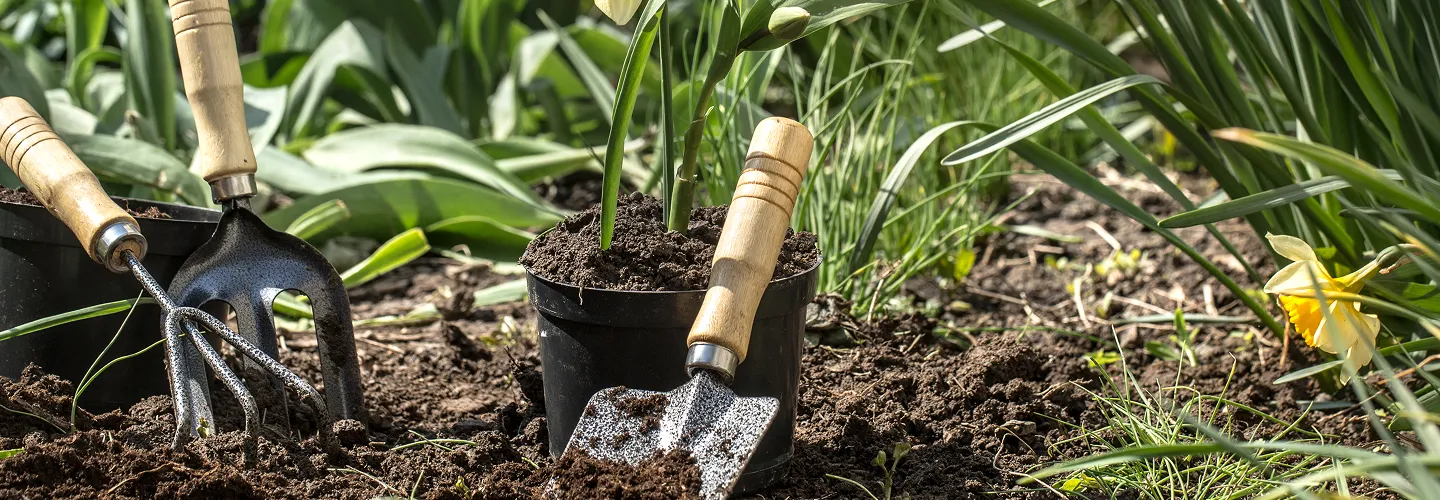
Cheval Green Waste Disposal Services
Choose our Green Waste Disposal for reliable, environmentally responsible service that keeps your property clean and helps protect the planet. We make it easy to dispose of yard debris and organic waste, ensuring it’s recycled or composted responsibly.
Get a Free QuoteOur Cheval Landscaping & Yard Care Services
When to Schedule Green Waste Disposal in Cheval, Florida – Seasonal Guide
In Cheval, Florida, the timing of green waste disposal is closely tied to our unique subtropical climate and the rhythms of local landscaping needs. The optimal periods for scheduling green waste removal are typically late winter through early spring and again in late summer, just before the peak of hurricane season. These windows align with the end of frost risk and the start of active growth for many native and ornamental plants found in neighborhoods like The Estates and along the Cheval Golf and Country Club.
Local environmental factors such as high humidity, periodic droughts, and the prevalence of shade from mature oaks and pines all play a role in determining when your yard generates the most debris. Soil types in Cheval, ranging from sandy loam to clay, also affect how quickly organic matter breaks down. Homeowners should also be aware of municipal guidelines and seasonal collection schedules, which can be found on the official town website, to ensure compliance and efficient service.
Local Factors to Consider for Green Waste Disposal in Cheval
- Tree density and species (live oaks, pines, palms)
- Proximity to water features or wetlands
- Seasonal precipitation and hurricane preparedness
- Shade coverage and undergrowth accumulation
- Soil drainage and composition
- Municipal restrictions and collection schedules
- Neighborhood-specific landscaping trends
Benefits of Green Waste Disposal in Cheval
Eco-Friendly Landscaping Solutions
Efficient Green Waste Removal
Promotes Healthy Plant Growth
Reduces Landfill Waste
Enhances Property Appearance
Supports Sustainable Practices
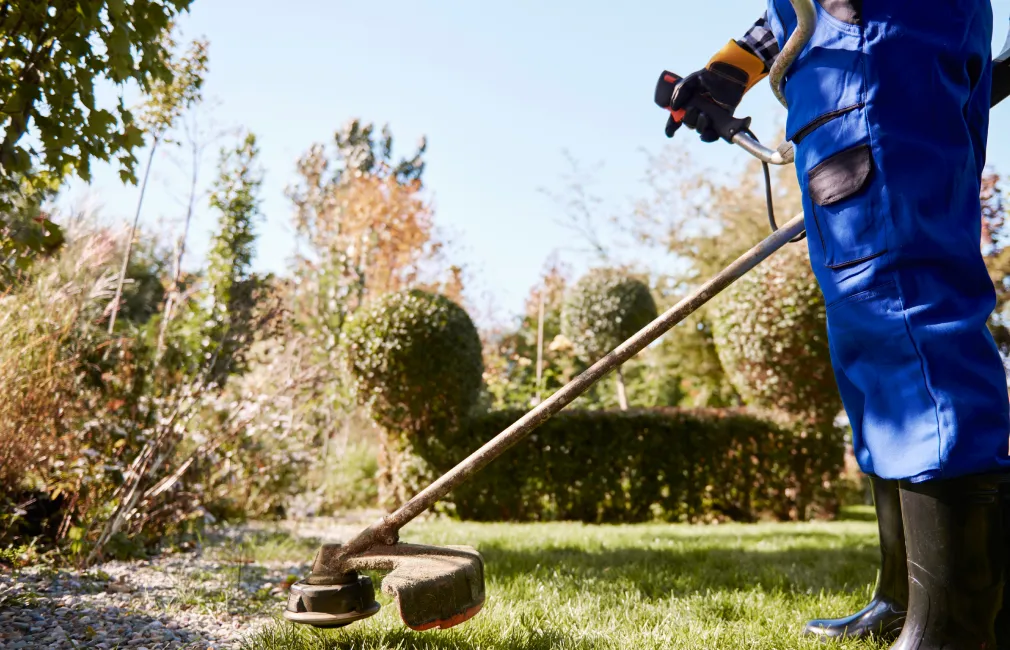
Cheval Green Waste Disposal Types

Grass Clippings
-
Tree Branches
-
Shrub Trimmings
-
Leaves Collection
-
Garden Weeds
-
Mulch Disposal
-
Soil and Sod Removal
Our Green Waste Disposal Process
Collection of Green Waste
Sorting and Separation
Transport to Disposal Facility
Eco-Friendly Processing
Why Choose Cheval Landscape Services
-
Cheval Homeowners Trust Us
-
Expert Lawn Maintenance
-
Reliable Irrigation Solutions
-
Comprehensive Seasonal Cleanups
-
Professional Tree and Shrub Care
-
Prompt and Courteous Service
-
Competitive Pricing
Coordinating Green Waste Disposal with Hillsborough County Public Works in Cheval
Green waste disposal in Cheval, FL is managed through Hillsborough County’s Public Works Department, which oversees the collection and proper routing of yard debris such as grass clippings, leaves, branches, and other vegetative material. Residents and property managers must ensure that green waste is separated from household trash and placed at the curb in accordance with county guidelines. Bundling branches, using approved containers, and keeping debris clear of storm drains are essential steps to prevent blockages and maintain neighborhood drainage. For larger volumes or storm debris, special collection procedures may apply, and residents should verify current requirements with the department. The county emphasizes keeping green waste out of canals and swales to protect water quality and prevent flooding.
- Place green waste in approved containers or bundles
- Keep debris away from storm drains and swales
- Confirm special collection procedures for storm debris
Hillsborough County Public Works Department
601 E. Kennedy Blvd., Tampa, FL 33602
Official Website: Hillsborough County Public Works Department
How Cheval’s Gulf Coast Climate and Soils Shape Green Waste Disposal
Cheval is situated in the Gulf Coast Florida region, characterized by a humid subtropical climate, high summer rainfall, and sandy, fill-based soils common in newer subdivisions. These conditions influence both the volume and timing of green waste generation. The wet season, typically from June through September, accelerates vegetative growth and increases the frequency of yard debris removal. Sandy soils in Cheval allow for rapid drainage but can also contribute to nutrient leaching, making it important to prevent green waste from entering stormwater systems. Additionally, the area’s high water table and proximity to lakes, ponds, and swales mean that improper disposal can quickly impact local water quality. Residents should be aware that:
- Wet-season storms can generate large volumes of debris
- Sandy soils increase the risk of nutrient runoff
- High water tables make drainage systems sensitive to blockages
Regulatory Requirements and Environmental Compliance for Green Waste in Cheval
Proper green waste disposal in Cheval is governed by a combination of county codes and state environmental regulations. Hillsborough County Code Enforcement monitors compliance with local ordinances regarding yard waste placement, bundling, and prohibited dumping. The Florida DEP NPDES Stormwater Program sets standards to prevent pollutants, including organic debris, from entering municipal stormwater systems. Residents should never dispose of green waste in canals, lakes, or storm drains, as this can violate both local and federal water protection laws, such as the Clean Water Act. For properties undergoing development or significant landscaping changes, additional review may be required through the county’s permitting process. Always verify current requirements with the appropriate department before initiating large-scale disposal.
- Bundling and container rules are enforced by county code
- Dumping in waterways is prohibited under state and federal law
- Permit review may apply for major landscaping or site work
Hillsborough County Code Enforcement
601 E. Kennedy Blvd., Tampa, FL 33602
Official Website: Hillsborough County Code Enforcement
Professional Standards and Timing for Green Waste Disposal in Cheval’s Environment
Effective green waste disposal in Cheval requires attention to both timing and technique, especially given the region’s rapid vegetative growth during the wet season. Professional standards recommend scheduling yard waste removal shortly after mowing, pruning, or storm events to prevent accumulation and minimize the risk of debris entering drainage systems. Bundling branches to a manageable size, using biodegradable bags for leaves, and keeping piles away from swales and curb inlets are essential practices. During the wet season, increased frequency of collection may be necessary, while in the dry season, debris generation typically slows. Residents should also avoid placing green waste on pavement or near storm drains, as outlined in EPA stormwater guidance. Key standards include:
- Remove green waste promptly after yard work or storms
- Bundle branches and use approved containers
- Keep debris clear of all drainage features
Hillsborough County Water Resources Department
601 E. Kennedy Blvd., Tampa, FL 33602
Official Website: Hillsborough County Water Resources Department
What Neighborhoods Do We Serve Throughout Cheval, FL?
- Cheval West This area features larger lots with mature landscaping and extensive irrigation, resulting in higher volumes of green waste during the wet season.
- Cheval East Known for its proximity to lakes and ponds, this neighborhood requires careful debris management to protect sensitive drainage systems.
- The Estates at Cheval With wooded lots and shaded areas, green waste here often includes substantial leaf and branch debris, especially after storms.
- The Greens This golf course-adjacent area has manicured landscapes and strict HOA guidelines for yard waste placement and removal.
- The Villas Smaller lots and shared green spaces mean coordinated collection is important to prevent debris from blocking swales and curb inlets.
- The Reserve Newer subdivision fill soils and active development can affect drainage, making proper green waste disposal essential for lot stability.
- Cheval Boulevard Corridor This main thoroughfare includes both residential and common areas where access and right-of-way maintenance are critical for stormwater flow.